


The Unrestricted Thrill of Horse Racing: A Sport Beyond Boundaries
Horse racing is not merely a sport; it is an exhilarating blend of speed, strategy, and tradition that transcends geographical and cultural boundaries. From the lush greens of the English countryside to the sun-drenched tracks of Australia, horse racing captivates audiences and participants alike. It is a sport that embodies both the beauty of equine athletes and the thrill of competition. For those interested in the engaging world of horse racing, you can find more information at horse racing not blocked by GamStop https://merseysidepolicemounted.uk/. This article delves deep into its history, significance, and the various aspects that make horse racing a beloved pastime across the globe.
The Historical Roots of Horse Racing
Horse racing has a storied past that dates back thousands of years. The earliest recorded races occurred in ancient Greece, where horses were a symbol of nobility and skill. Over time, the sport evolved, becoming popular in various cultures, notably in Rome, where chariot racing was a favorite among citizens. However, modern horse racing as we know it began to formalize in the 18th century in England, with the establishment of races and the creation of rules that governed the sport.
The Jockey Club, established in 1750, played a significant role in the development of horse racing as it introduced regulations that brought structure and integrity to the sport. With the World’s oldest classic horse race, The Derby, inaugurated in 1780, the foundation was laid for a global phenomenon that continues to thrive today.
The Cultural Significance of Horse Racing
Horse racing is woven into the fabric of many cultures around the world. In the UK, the Grand National and Royal Ascot are not just races; they are social events where fashion and festivities unite in celebration of equine excellence. In the United States, the Kentucky Derby, often referred to as “The Most Exciting Two Minutes in Sports,” commands attention with its vibrant atmosphere, showcasing both thoroughbred talent and southern hospitality. Festivals and celebrations related to horse racing offer communities a chance to come together, promoting camaraderie and shared excitement.
Moreover, horse racing serves as a platform for philanthropy. Numerous events are organized to raise funds for various causes, with a portion of the proceeds directed to charitable organizations. This unique intersection of sport and charity highlights the power of horse racing as a tool for good, beyond just entertainment.
The Mechanics of Horse Racing
Understanding horse racing requires an appreciation of its mechanics. The sport features different types of races, primarily flat racing and jump racing. Flat racing involves horses running over a set distance on a flat track, while jump racing (or National Hunt) incorporates jumps, adding a layer of challenge and excitement. Each race presents a unique set of challenges for the horses and jockeys, requiring an intricate understanding of speed, strategy, and timing.
Breeds of horses play a crucial role in racing; Thoroughbreds are the most widely recognized racing breed, prized for their agility and speed. However, other breeds like Quarter Horses and Arabians also participate in various racing disciplines, each bringing its characteristics and strengths to the track. Training these horses is a complex process, involving not just physical conditioning but also mental preparation. A successful racehorse combines a handful of factors: pedigree, training, nutrition, and the bond forged with its jockey.
The Role of Technology in Racing
As with many sports, technology has increasingly influenced horse racing. From timing systems that measure performance with precision to data analytics providing insights into race trends and horse behavior, the digital era has transformed how the sport is experienced. Advanced veterinary care and health technology ensure that horses receive optimal treatment, enhancing their performance and longevity in the sport.
Betting remains an integral aspect of horse racing, with new technologies enabling online betting platforms that bring the thrill of the racetrack directly to fans in their homes. The introduction of mobile applications allows enthusiasts to place wagers, track their favorite horses, and engage with the community, all from their smartphones. This accessibility has broadened the audience and engagement levels, making horse racing a sport for the modern age.
Challenges Facing the Sport
Despite its rich history and cultural significance, horse racing faces challenges, including ethical concerns regarding animal welfare. Scrutiny over training practices, medication use, and racing conditions has prompted organizations to push for stricter regulations to ensure the safety and well-being of the horses. Entities like the Horseracing Integrity and Safety Authority (HISA) are crucial in addressing these concerns and maintaining the sport’s integrity.
Additionally, the impacts of the COVID-19 pandemic have presented unique challenges for horse racing, with many events being postponed or conducted without fans present. These disruptions have tested the resilience of the sport and its community, but they also highlight the adaptability of horse racing, finding new ways to engage and connect with audiences.
The Future of Horse Racing
Looking ahead, horse racing is poised for innovation and evolution. With an increasing emphasis on sustainability, many racetracks are adopting eco-friendly practices to minimize their environmental impact. The use of renewable energy sources, waste reduction initiatives, and improved track surfaces contribute to a more sustainable future for the sport.
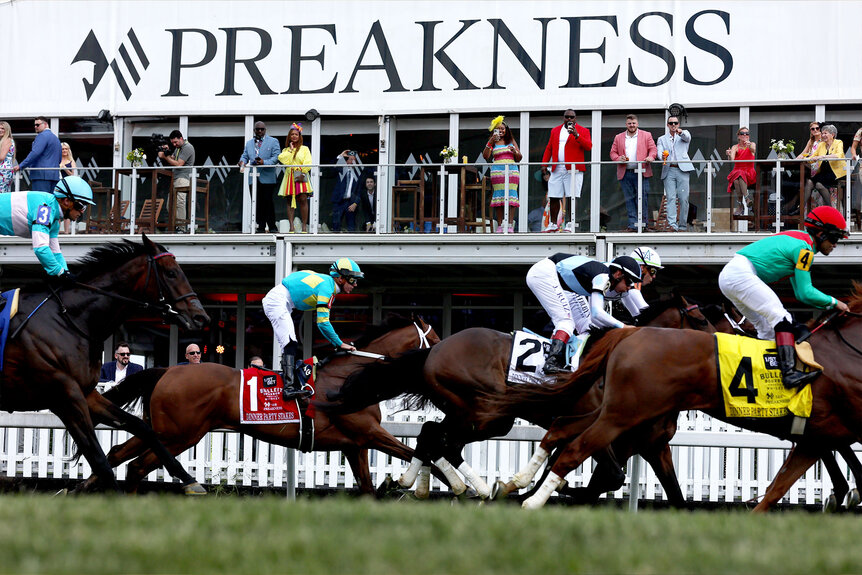
The integration of technology and fan engagement will continue to shape how horse racing evolves over the coming years. Virtual reality experiences and interactive platforms can enhance the spectator experience, drawing in younger audiences and fostering a new generation of horse racing enthusiasts. Through these initiatives, horse racing can maintain its relevance and excitement in an ever-changing landscape.
Conclusion
Horse racing is a sport that thrives on the excitement of competition, the beauty of the equine athlete, and a rich tradition that spans centuries. As it continues to evolve, the essence of horse racing remains unchanged: a celebration of speed, skill, and the unbreakable bond between horse and rider. Its ability to bring people together, foster communities, and raise awareness for important causes ensures its place as a cherished sport for generations to come.
The future of horse racing depends on addressing its challenges head-on while embracing the opportunities technology and innovation provide. As fans, participants, and advocates of equine welfare come together, horse racing can confidently step forward, continuing to be a sport unblocked by boundaries, thriving in its vibrant history, and poised for a promising future.